
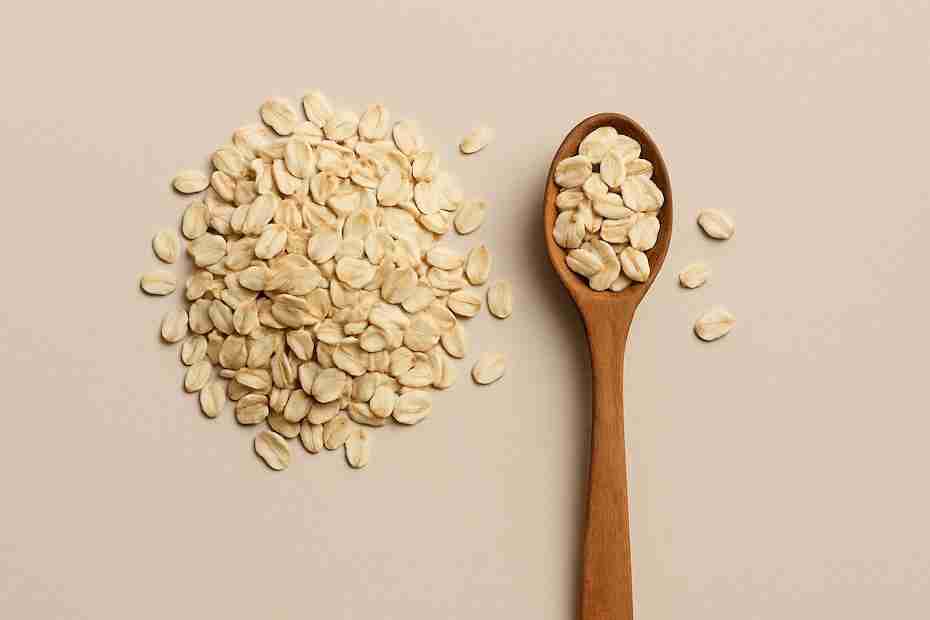
You can safely consume Purity Protocol oats because they are grown, harvested, transported, and processed under strict controls that prevent gluten exposure. This level of protection gives you a reliable option when you want whole-grain nutrition without risking contamination.
You’re about to understand why Purity Protocol oats stand apart from sorted oats, standard oats, and mass-market “gluten-free” labels. This article walks you through how Purity Protocol systems work, how contamination happens, what research shows, and how to choose the safest products for a medically required gluten-free diet. Every section answers real user questions so you can make confident decisions for your health, your household, or your clinical recommendations.
What Makes Purity Protocol Oats Different From Regular Gluten-Free Oats?
Purity Protocol oats differ from regular gluten-free oats because they are protected through every stage of production. While many oats labeled gluten-free rely on sorting, Purity Protocol oats avoid contamination long before mechanical systems ever enter the equation. This keeps gluten-bearing grains out of the supply chain entirely.
When you choose Purity Protocol oats, you benefit from a production model designed specifically for gluten-free medical needs. The process starts with clean seed, continues across dedicated fields, and relies on equipment that never touches wheat, barley, or rye. That means fewer risks, fewer surprises, and fewer variables that can threaten your diet. You gain control in an environment where contamination remains a real concern.
Regular gluten-free oats often rely on sorting technology to remove stray gluten grains. That system can work for people who avoid gluten casually, but it falls short when you manage Celiac disease. Sorting removes visible contaminants; it cannot address microscopic fragments, dust, or grains misidentified by machines. This creates gaps that Purity Protocol eliminates through prevention rather than correction.
How Does Purity Protocol Farming Prevent Gluten Contamination?
Purity Protocol farming protects your health by removing contamination points before they occur. Farmers select fields that haven’t grown wheat, barley, or rye for several seasons, ensuring no leftover seeds or root systems interfere with future crops. This reduces the most common cause of contamination before you ever see the final product.
During the growing season, farmers also isolate oat fields from nearby gluten-bearing crops. They manage buffer zones, keep planting equipment separate, and maintain detailed field histories. This transparency supports full traceability, giving you documented assurance that your oats started clean from the beginning. You avoid the unknowns that accompany large industrial operations.
Once the crop grows, harvesting occurs with dedicated combines, trucks, and storage systems. These steps matter because shared equipment introduces invisible gluten dust that settles into raw oats. By eliminating shared use, Purity Protocol farms break the contamination chain. Your oats stay protected throughout the season instead of relying on last-minute testing.
Why Is Gluten Contamination So Common in Standard Oats?
Gluten contamination appears frequently in standard oats because most farms rotate oats with wheat, barley, or rye. Even a small handful of stray grains can compromise thousands of servings of oats. This low-level contamination is nearly impossible to detect without strict controls at the farm level, which most growers do not implement.
Another issue arises during harvesting, transport, and storage. Many farms share machinery and grain elevators across multiple crops. Machinery doesn’t need to look dirty to carry gluten dust or residue. If the machinery processes wheat one day and oats the next, particles can move into the oat stream unnoticed. This creates unpredictable contamination patterns that affect the food you buy.
Processing mills add another layer of risk. Many facilities handle multiple grains in the same building. Airborne particles, shared conveyor lines, and mixed holding bins create exposure points. Even with cleaning procedures, some residue remains. Purity Protocol eliminates these exposure points by requiring fully dedicated systems rather than relying on cleaning methods that cannot guarantee full removal.
Are Sorted Oats Safe Enough for People With Celiac Disease?
Sorted oats provide some level of protection, but they are not as reliable as Purity Protocol oats when you manage Celiac disease. Sorting equipment identifies grains that look like wheat or barley based on size, color, or density. This helps, but it does not guarantee removal of all contaminants. Any grain that slips past the camera or sensor becomes part of your meal.
You also face uneven distribution of contamination. A single gluten grain hidden in a large batch can remain undetected by sampling tests. That grain may never appear in the tested portion of the batch, but it could appear in your bowl at home. You cannot rely on averages when your health depends on precision.
For many individuals, sorted oats work if they have dietary flexibility. But if you require strict avoidance of gluten or experience strong reactions, sorted oats introduce unnecessary risk. Purity Protocol prevents contaminants before sorting becomes necessary. You get safer oats produced under a system created for medical reliability.
What Testing Standards Do Purity Protocol Oats Follow?
Purity Protocol suppliers test oats multiple times before they reach you. Testing typically includes early-stage testing at the farm, mid-stream testing at the mill, and final testing before packaging. This layered testing helps verify that contamination hasn’t occurred at any point in the process.
Many suppliers test for gluten levels far below the standard regulatory threshold of 20 ppm. Some producers aim for <5 ppm, creating a much safer margin for celiacs. These suppliers understand that even small amounts of gluten can cause damage. When testing verifies consistent safety, you gain confidence in the entire process.
Testing alone is not enough if the supply chain is not controlled. Purity Protocol pairs testing with traceability. You can often view or request test results for specific lots. When brands share this information openly, you gain visibility into how they protect your diet. Transparency reinforces trust and supports safer food choices.
Why Do Medical Professionals Recommend Purity Protocol Over Other Oats?
Medical professionals recommend Purity Protocol oats because they address contamination at every point in the supply chain. This gives you safer nutrition when you must avoid gluten permanently. Your doctor wants you to enjoy fiber, vitamins, and whole-grain benefits without sacrificing your health.
Oats play an important role in digestive health and long-term wellness. When you choose Purity Protocol oats, you can maintain variety in your diet while still following medical guidance. Without safe oats, your gluten-free diet becomes more restrictive, which affects both nutrition and quality of life.
Research shows that contamination remains common in non-regulated oat sources. Purity Protocol reduces this risk significantly. When healthcare providers emphasize safety, they support the long-term stability of your gluten-free lifestyle. With safe oats, you maintain better nutrient balance while staying aligned with clinical recommendations.
How Can You Identify Authentic Purity Protocol Products?
You identify real Purity Protocol oats by examining brand sourcing, supplier transparency, and documentation. Brands committed to Purity Protocol will state it clearly on their packaging or website. They will name their supplier and share details about their growing and processing standards.
Trusted suppliers provide field history, equipment separation, testing procedures, and quality control criteria. If the brand you’re considering does not share sourcing details, treat that as a sign of caution. Purity Protocol transparency is not hidden — it’s a key selling point and should be easy to confirm.
You strengthen your safety even more by checking lot numbers or asking brands for testing data. When a company follows Purity Protocol honestly, they have nothing to hide. Your due diligence prevents errors and gives you ongoing confidence in the food you bring home.
Are Purity Protocol Oats Safe for Celiacs?
- Protected from seed to packaging
- Grown on dedicated gluten-free fields
- Processed with separate equipment
- Tested to strict gluten limits
Choose the Safest Oats for Your Gluten-Free Life
When you rely on Purity Protocol oats, you protect your long-term health with a product designed for zero shortcuts and zero uncertainty. Your diet becomes safer, your options expand, and your confidence grows because you know every step of the supply chain supports your needs.
If you want more research-backed guidance on gluten-free nutrition or food safety practices, explore my other articles and expert notes at x profile.
.